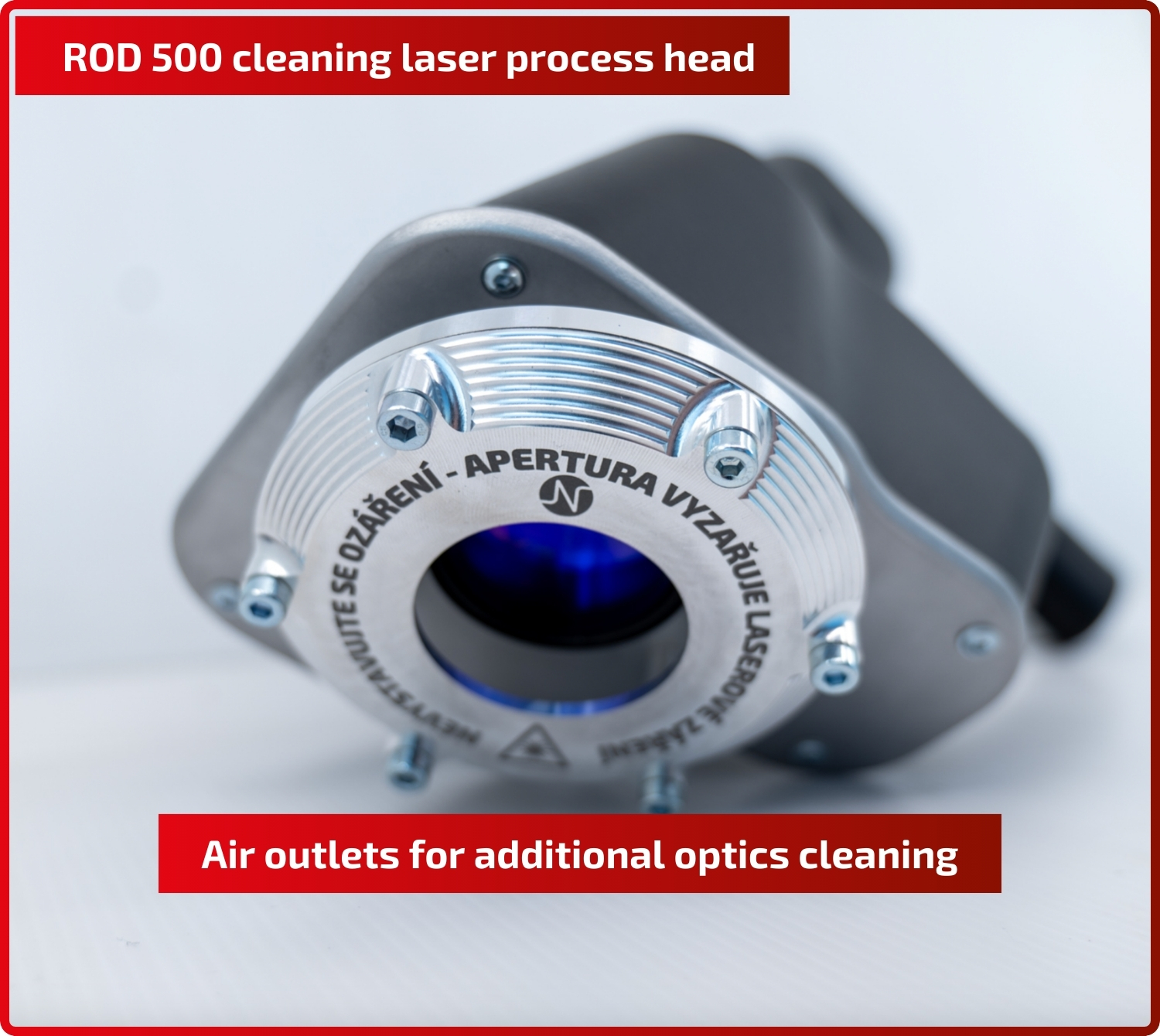

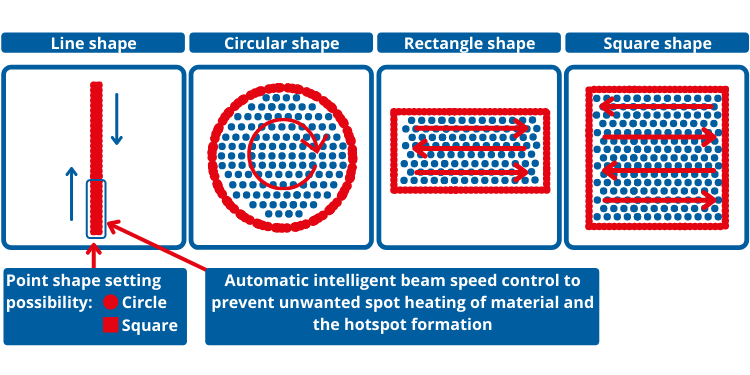
The scanning system provides precise control of beam trajectory, scanning speed and pulse overlap, enabling uniform energy distribution across the processed area. By maintaining consistent fluence and actively preventing local energy accumulation, it minimizes hotspot formation and ensures stable, repeatable material interaction even on complex or textured surfaces.
Next generation laser process head
The performance of a laser cleaning system is not defined solely by the laser source. Power, pulse energy or peak values are important parameters, but they do not determine the real usability of the system in industrial conditions. The decisive component is the process head, which defines how precisely, safely and consistently the laser energy is delivered to the material.
Inside the process head is a complex optical and mechanical system responsible for controlling energy density, beam homogeneity, stability of interaction with the material and overall repeatability of the process.
1. Semi-automatic focus adjustment
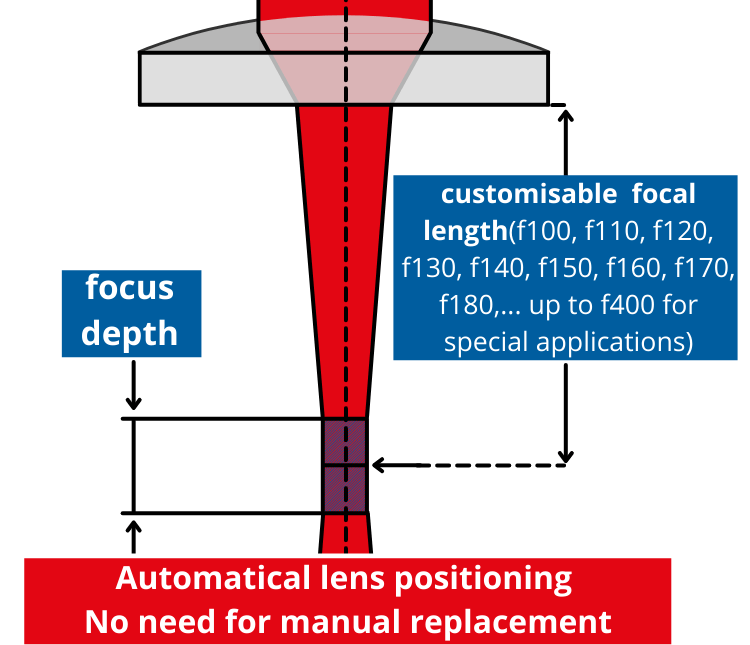
The system enables dynamic control of the focal position without any physical intervention. This allows precise control of energy density, immediate adaptation to different materials and seamless switching between aggressive and fine cleaning regimes.
Unlike conventional systems that require manual lens replacement, the ROD process head operates as a fully enclosed optical unit. This eliminates contamination risks, prevents optical misalignment and removes downtime associated with handling sensitive optical components in industrial environments.
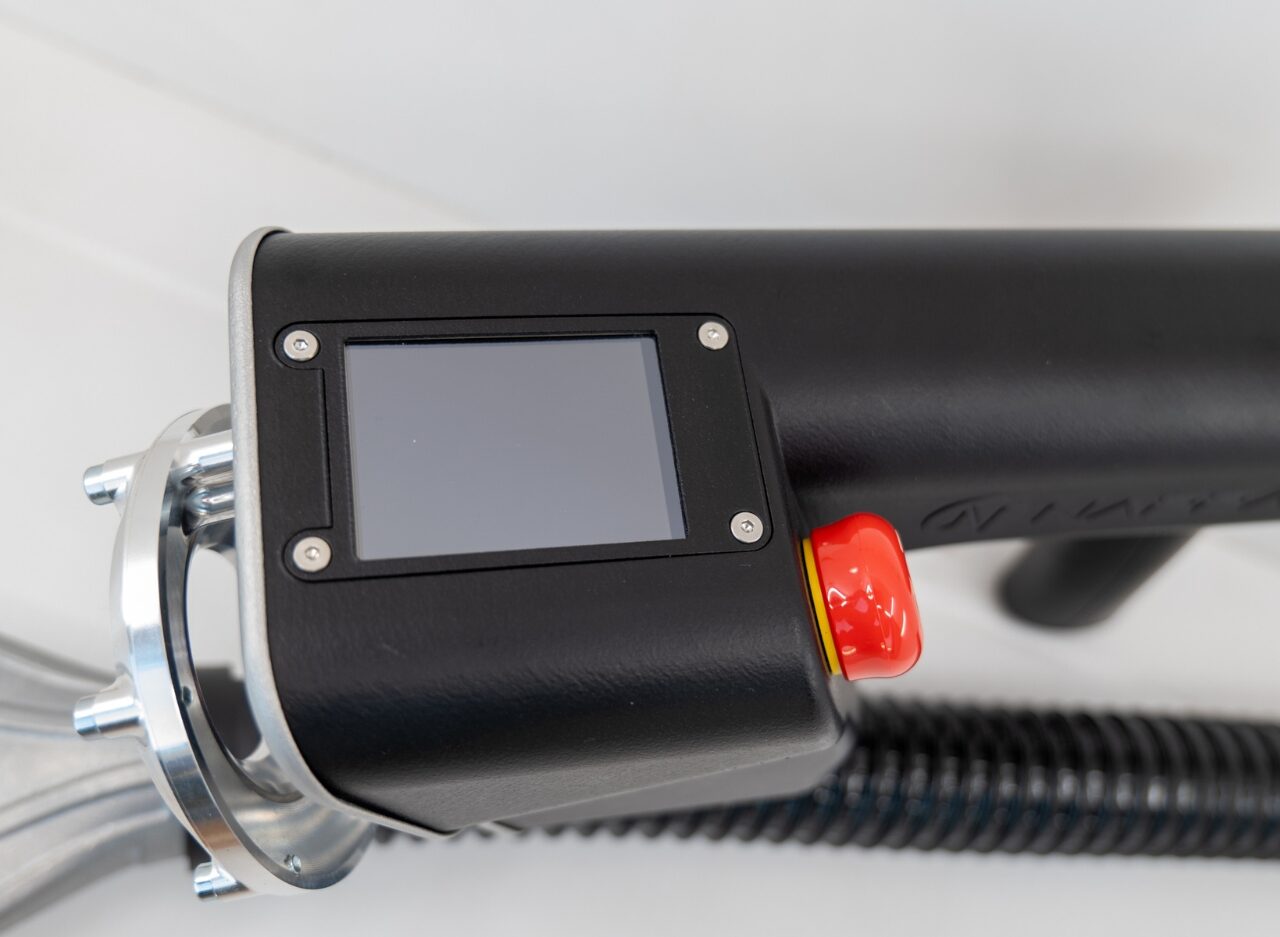
2. Parameter control directly on the head
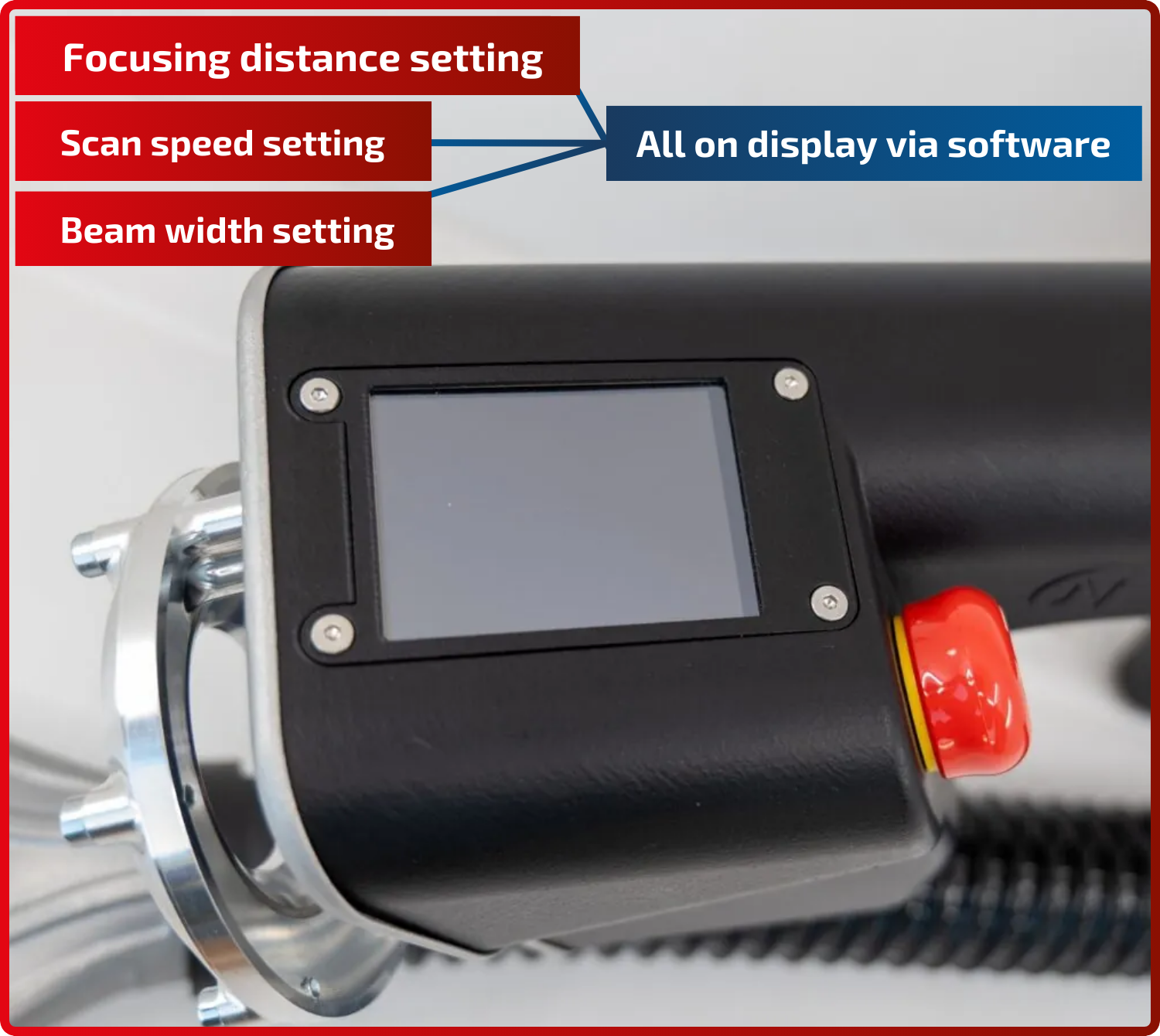
Critical process parameters can be adjusted directly on the process head, allowing real-time optimization without interrupting the workflow. The operator can react immediately to changes in material or contamination without switching to the main system interface, which significantly improves both efficiency and process consistency.
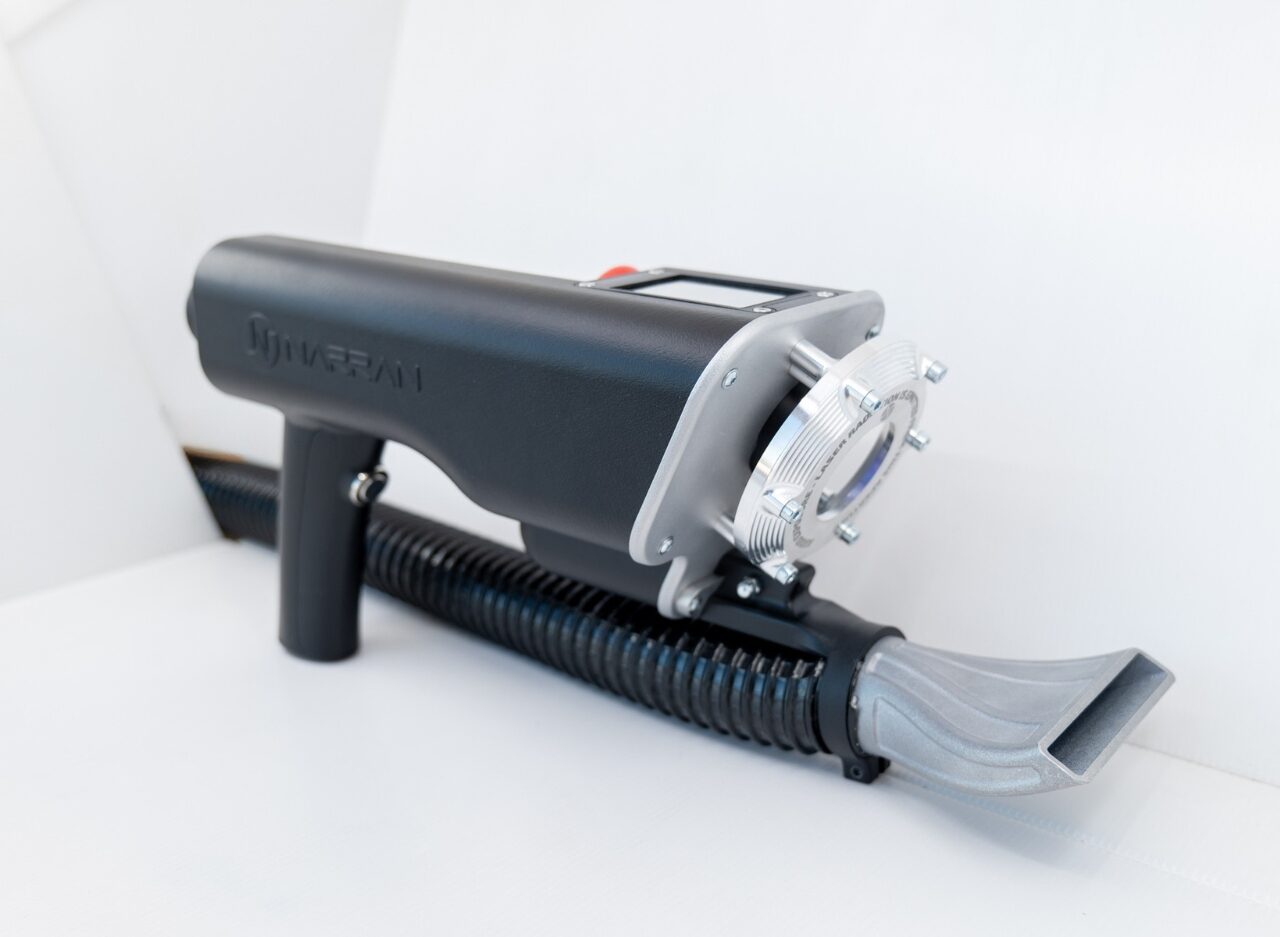
3. Ergonomic cleaning head grip
Although laser cleaning is a non-contact method, it is still a relatively demanding physical work. The laser process heads of ROD machines are light, have an ergonomic grip.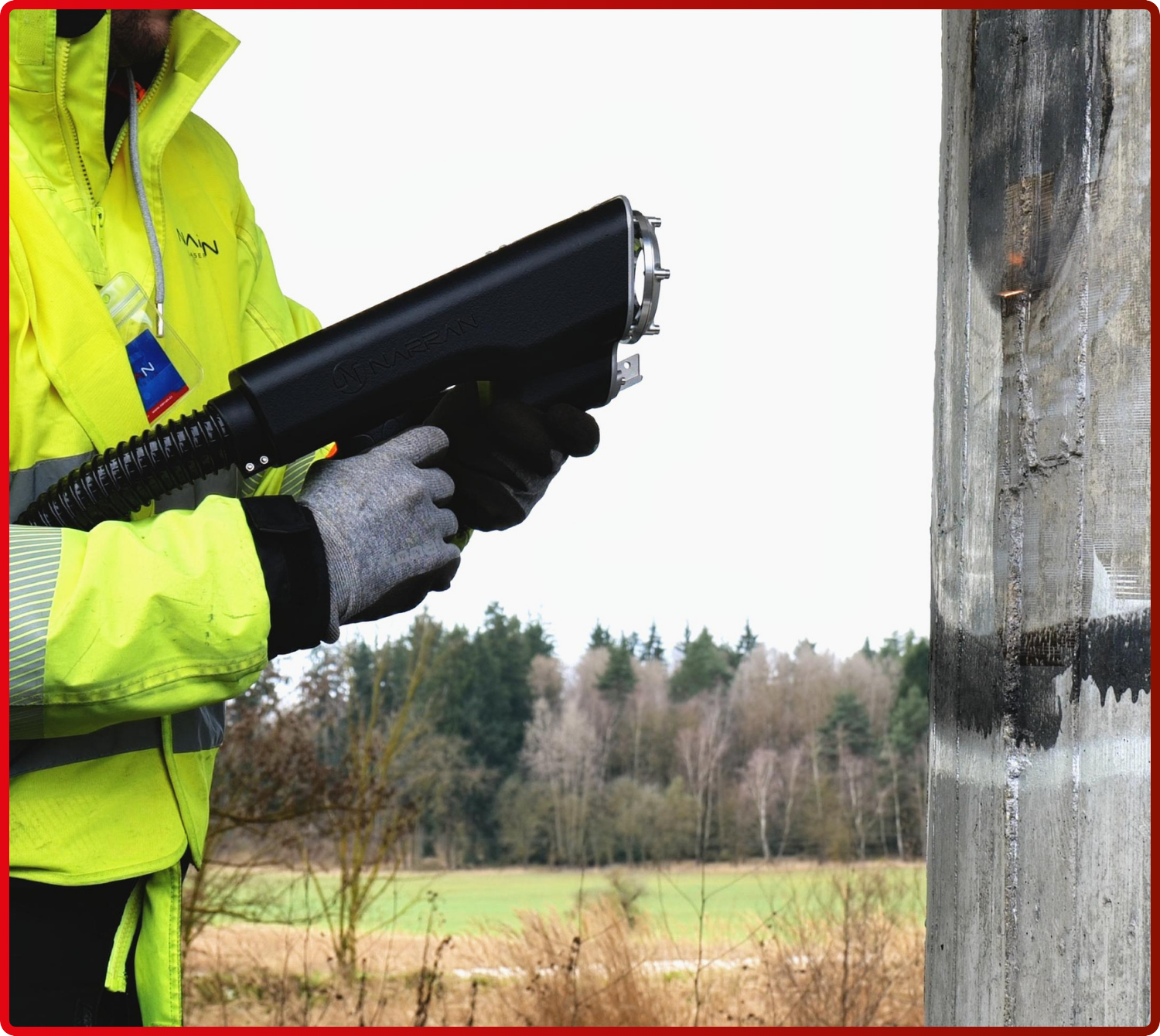
4. Active cooling to prevent overheating
ROD 200,300,500 and 1000 models all have actively water-cooled process heads. This can guarantee its smooth operation even in demanding climatic conditions (cleaning outdoors in winter and summer, inside industrial molds, directly on production lines), even in continuous three-shift operation. Our machines work all around the world from Australia to the United States, so we know how to properly design and control important parameters for our systems.
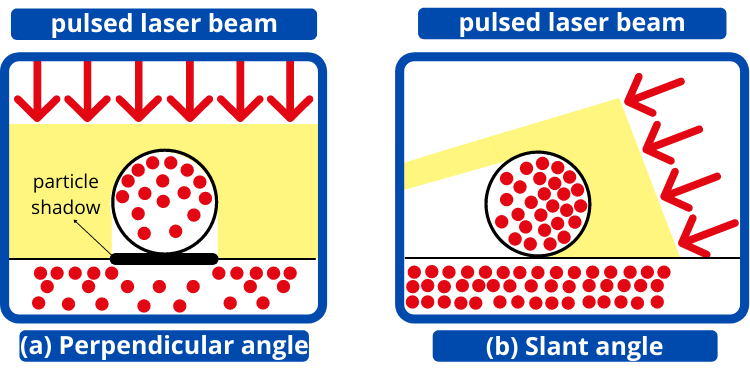
5. Cleaning at an angle
The process head enables efficient cleaning under an angle without the need for complex manipulation or repositioning. By avoiding perpendicular beam incidence, the system reduces plasma shielding effects and limits beam absorption in the debris cloud generated during ablation.
This results in higher process efficiency, especially at high pulse energies and repetition rates, while simultaneously increasing the effective cleaning area.
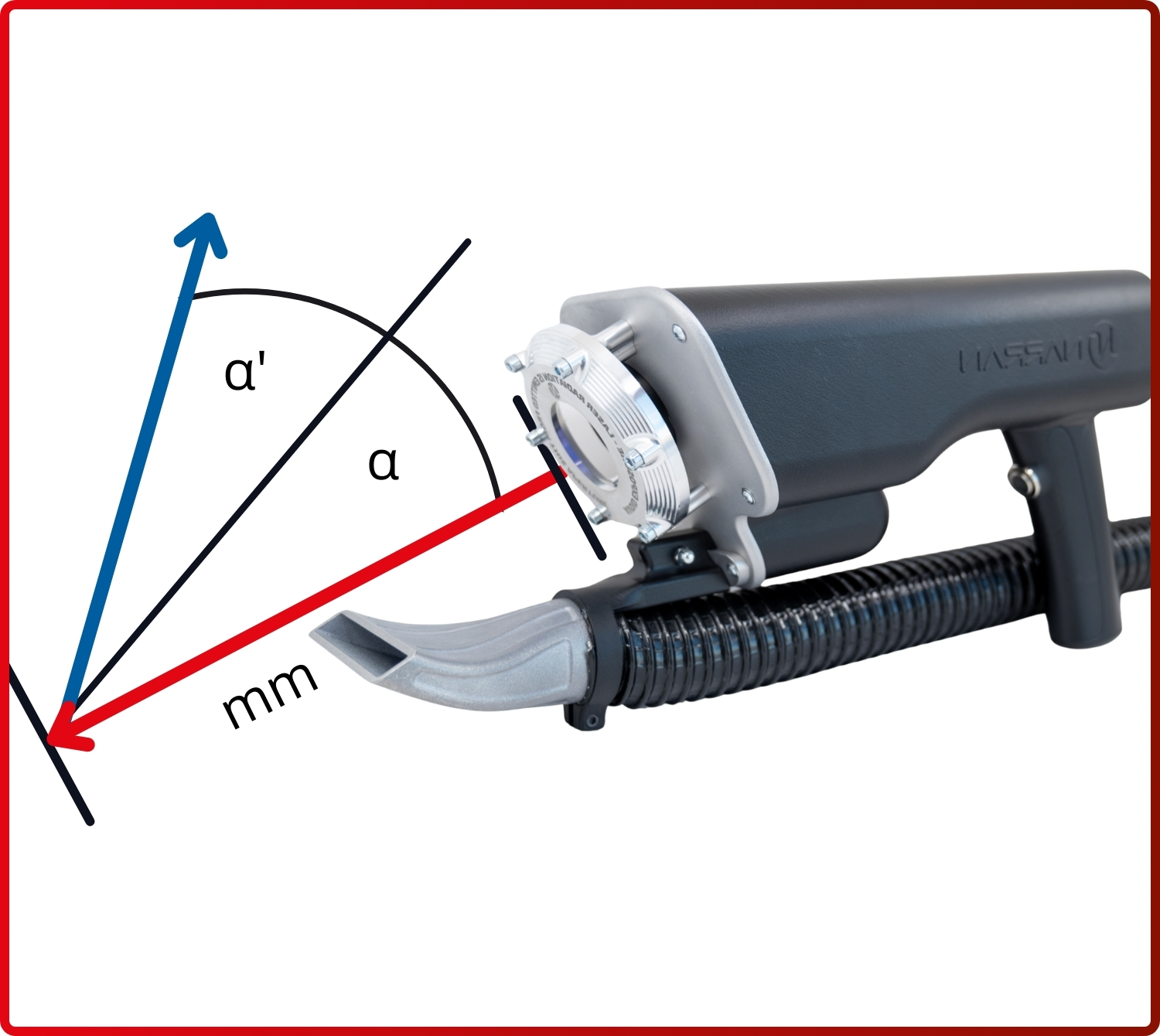
Thanks to this, the laser radiation in the dust or plasma cloud, which is caused by the explosion or ionization of the irradiated part of the material or the air, is not absorbed to such a large extent. This occurs especially during ablation with high intensity and repetition frequency. Another advantage is the several times larger effective cleaning area of the beam.
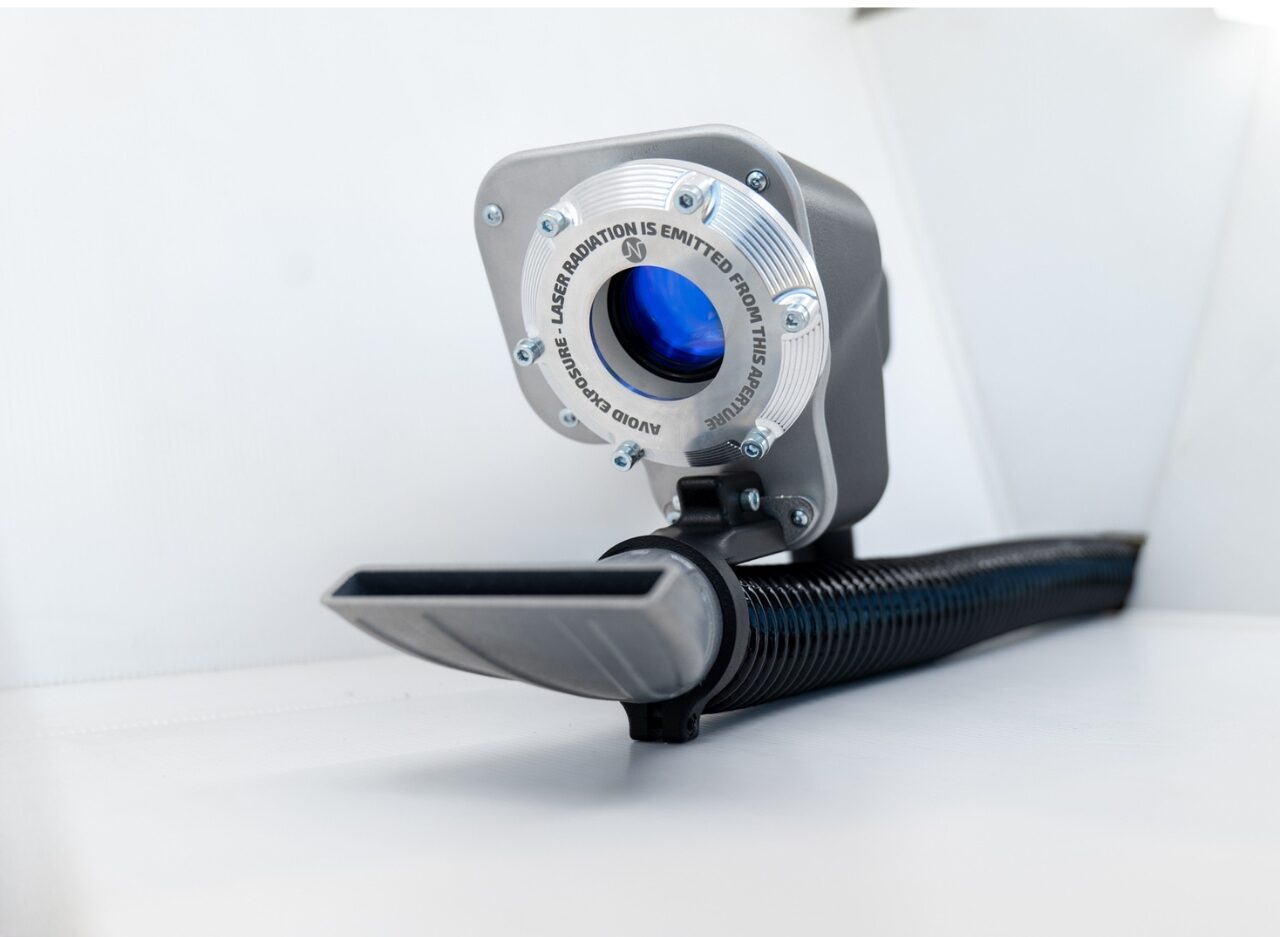
6. Integrated extraction with extended nozzle
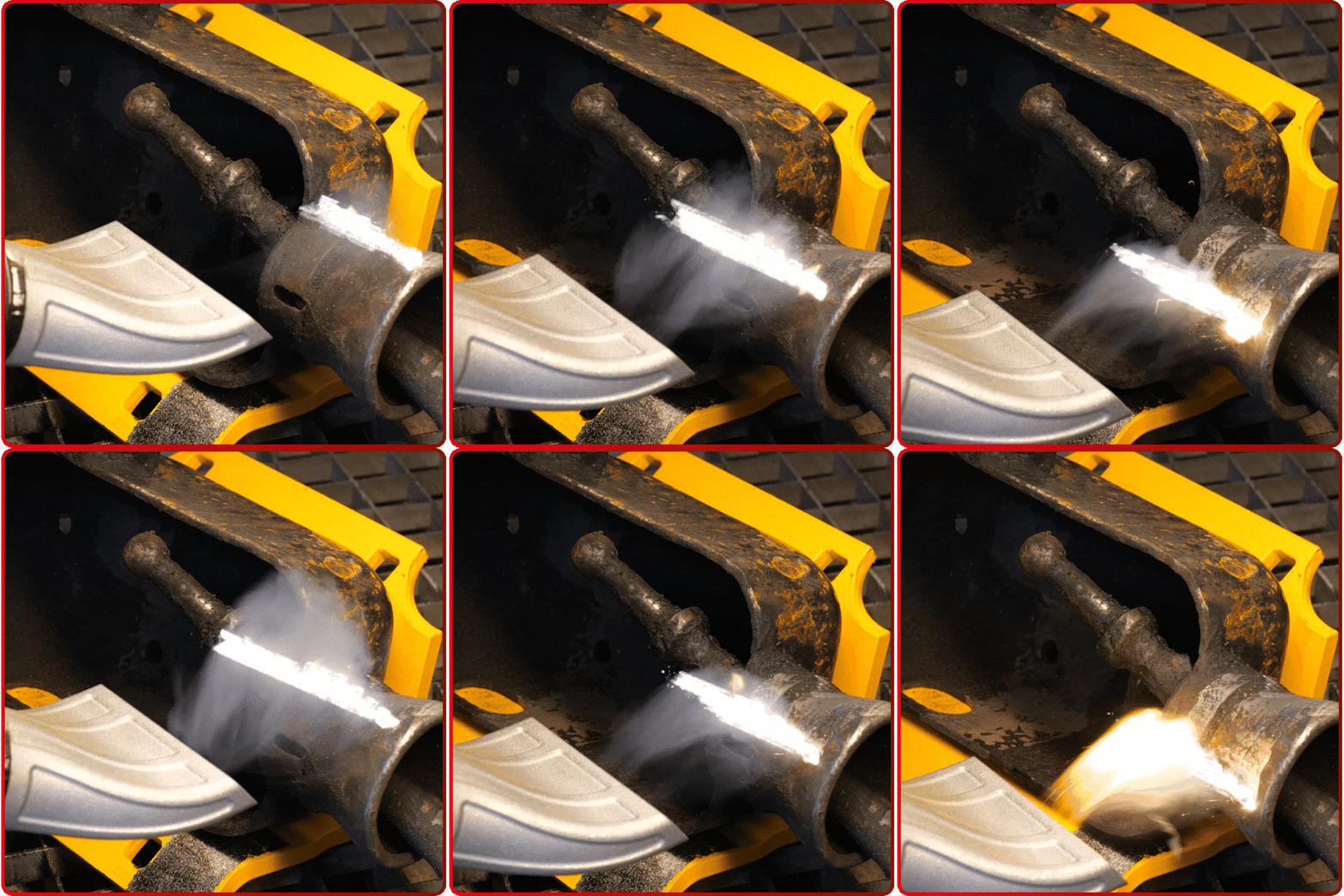
Our ergonomic process heads from the 2020 model series for ROD 200,300,500 and 1000 have the option of attaching the suction hose directly to the head for maximum prevention against the possible danger of inhalation of vapors.
Dangerous fumes and particles can be generated during laser cleaning and therefore we consider efficient extraction and filtration of fumes from the zone where the cleaning takes place as a necessary part of laser cleaning.
Extended extraction nose
Extraction is most efficient as close as possible to the laser process itself for eliminating the possibility of releasing particles and gases into the air, thus increasing work safety. It also prolongs the service life of the protective optics.
7. Possibility of mounting on a robotic arm
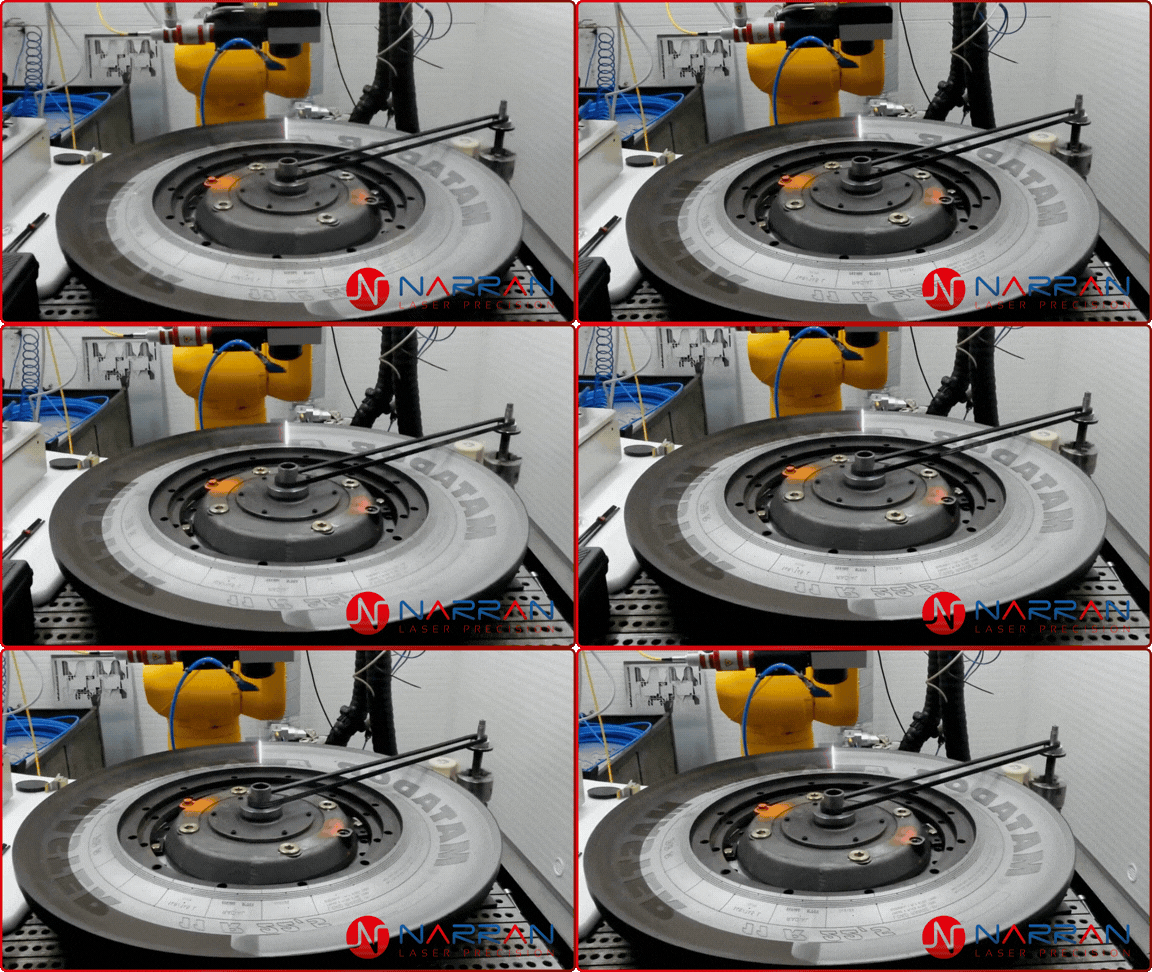
All models of our cleaning lasers can be attached to a manipulator, rails or a robotic arm, even after purchase – retrospectivelly. The industrial PLC is ready for communication with superior systems or external laser beam triggering,
8. Adjustable scanning beam patterns
.
9. Double protection of internal optics
The optical system is designed as a sealed, multi-layer protected unit that prevents contamination and ensures long-term stability. Mechanical sealing, internal optical barriers and controlled internal conditions eliminate the risk of dust ingress and gradual degradation of optical components.
All ROD laser heads incorporate a double protection system against unintentional contamination of the internal optics, complemented by active air-assisted blowing. This controlled airflow reduces particle deposition on critical optical elements and significantly extends the service life of the protective cover glass, which acts as a consumable barrier protecting the lens from contamination.