
Laser cleaning on Charles Bridge
ROD 300 AIR assists restorers in the renovation of the largest Baroque statuary group on Charles Bridge.
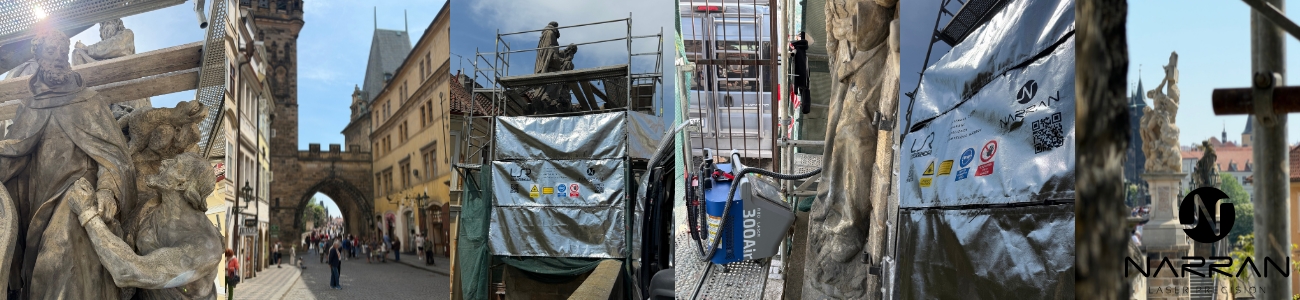
A restoration project is underway on Charles Bridge on the statuary group of Saint John of Matha, Felix of Valois and Ivan the Hermit. It is the largest sculptural work on the bridge and at the same time an exceptionally sensitive historical object, which leaves no room for aggressive cleaning or unnecessary interference with the original surface.
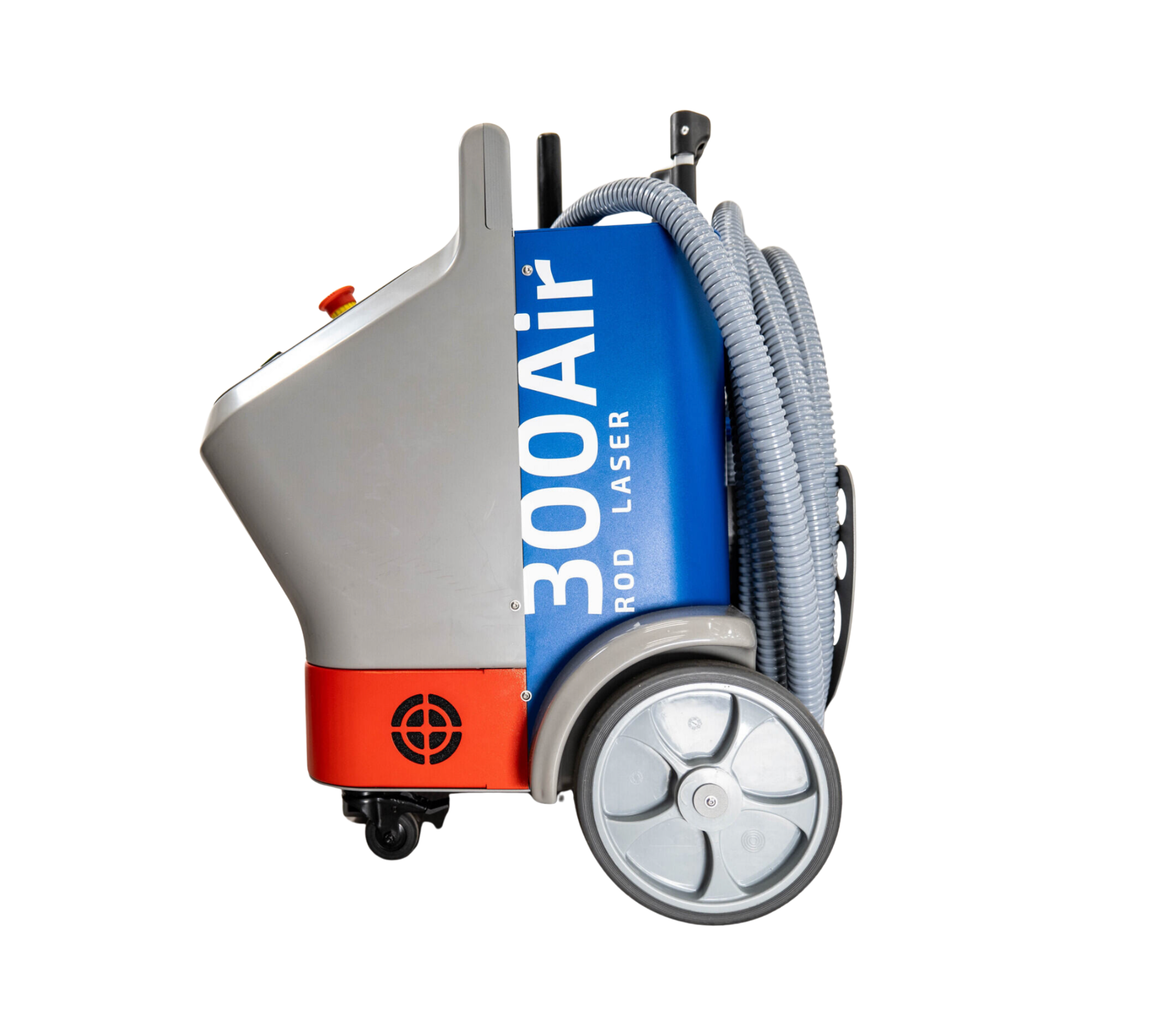
Part of the work involves laser cleaning using the ROD 300 AIR system. Here the laser serves as the main technology for removing atmospheric pollution from the stone surface. A report from the site was also produced by CNN Prima NEWS.
The goal is not to turn the sculpture into new stone. With a historical object, it is essential to remove the dirt while preserving the structure of the material, the fine modelling and the natural patina.
The task: gentle removal of soiling
The statuary group has long been exposed to weather conditions, dust, emissions, biological contamination and ordinary urban stress. Dark layers of dirt gradually form on the surface, reducing the legibility of details and potentially retaining moisture.
The restoration work must therefore be precise, controllable and locally adjustable. One part of the stone may be solid, another weathered or weakened. The technology must respect the condition of each specific spot.
Why is laser used
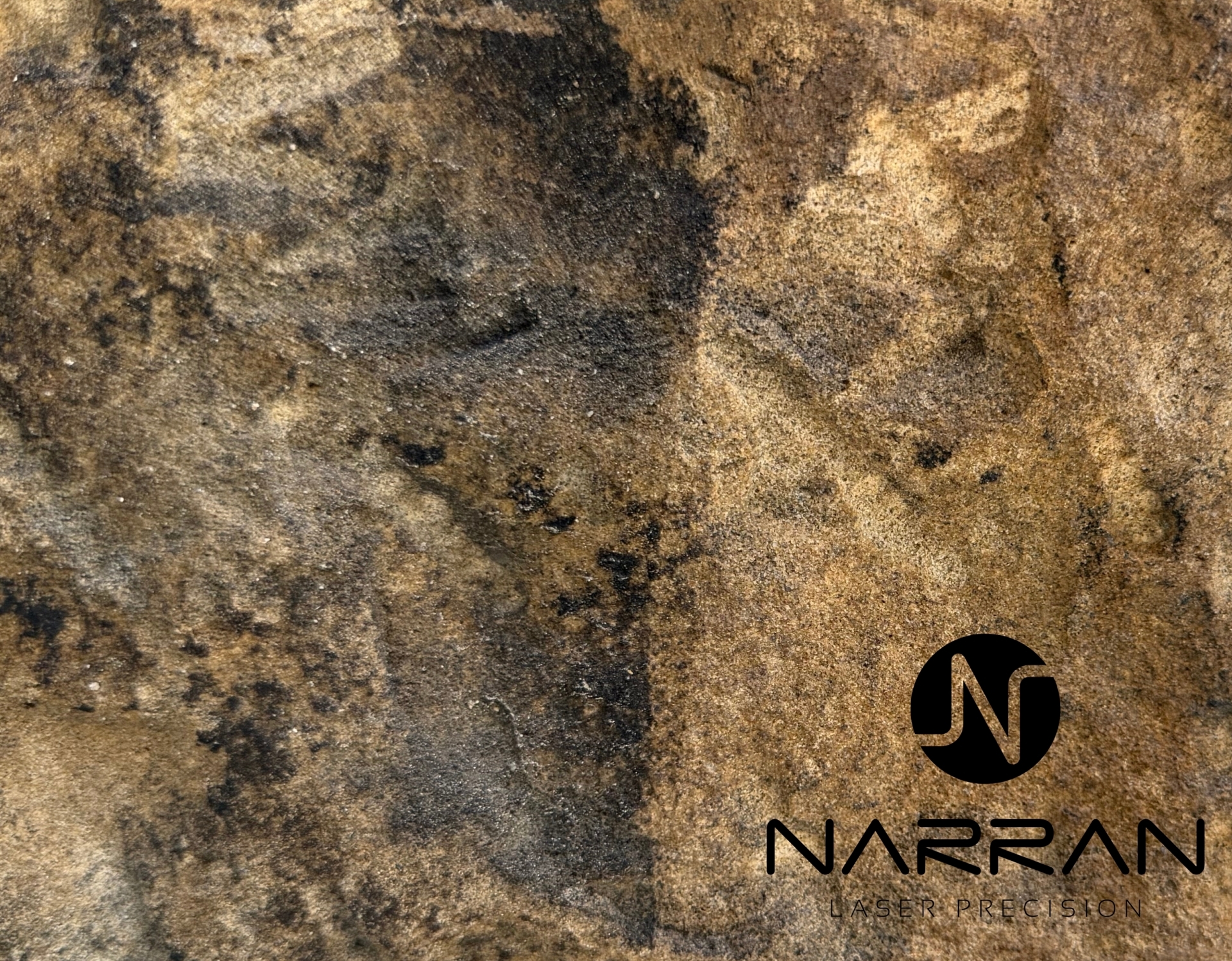
The main advantage of laser cleaning is that it works on the surface without contact. The beam removes the unwanted layer of soiling without mechanical pressure on the stone. This is a fundamental difference compared with abrasive methods, brushing or certain forms of blasting.
Contactless treatment: Cleaning takes place without mechanical friction and without pressure on the historical surface.
Control over the result: The restorer can continuously adjust the intensity according to the condition of the stone and the level of soiling.
No chemicals or abrasives: No water, cleaning chemicals or blasting material is introduced into the surroundings.
A process under the restorer’s control
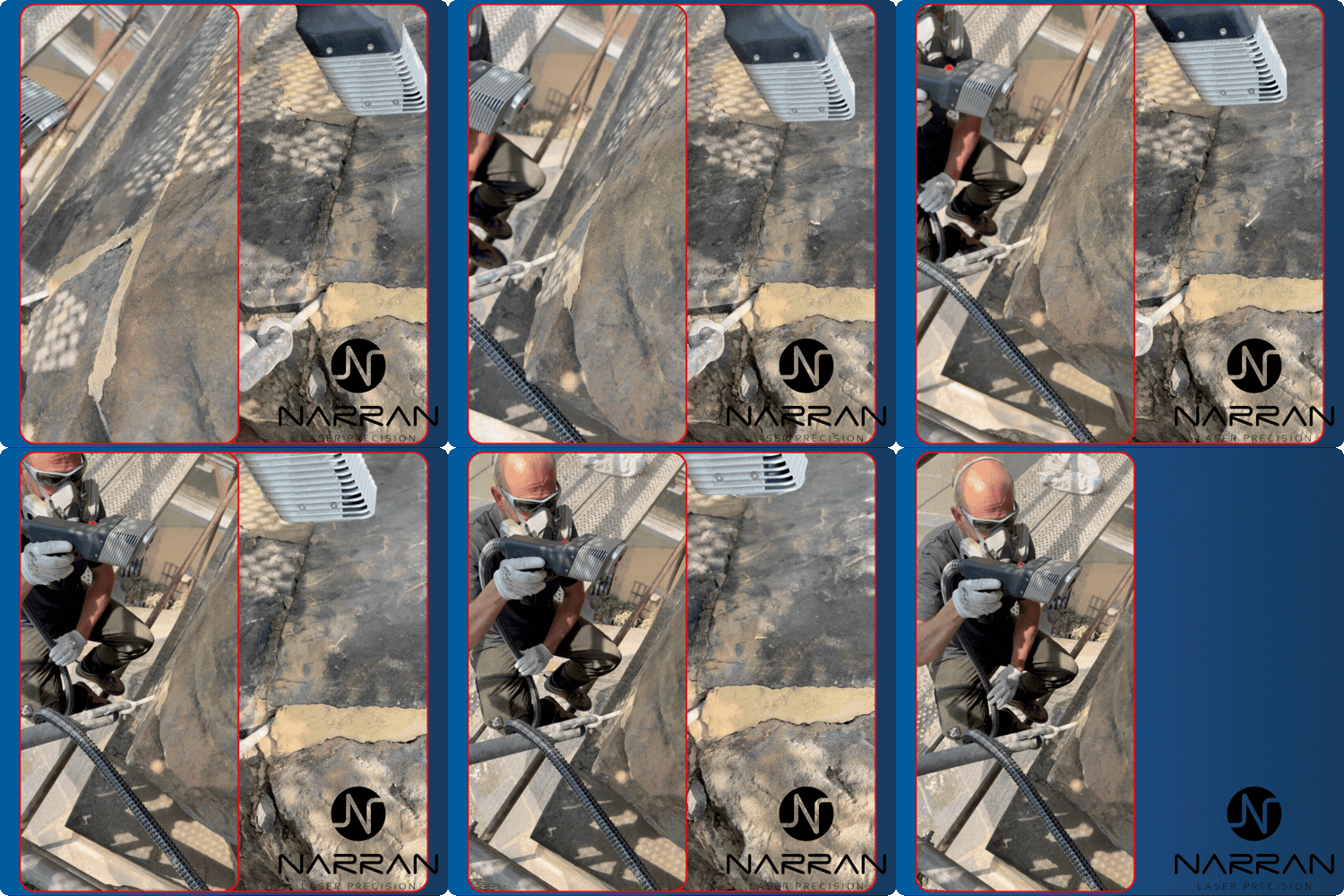
With heritage objects, the goal is not maximum speed but precision. The laser makes it possible to work selectively, over smaller areas and with immediate visual inspection of the result.
The restorer can see what is happening on the surface and can decide whether an area should be cleaned more thoroughly, or whether part of the patina should be left in place. It is precisely this option that is essential with historical stone.
A cleaner technology for work in public spaces
Charles Bridge is a highly exposed site with heavy pedestrian traffic and exceptional heritage value. The technology used for cleaning must therefore not place an unnecessary burden on the surroundings or complicate further restoration work.
Laser cleaning requires no pressure washing, chemical concentrates, acids, alkalis or abrasive material. No run-off of contaminated water is produced and the whole process can be kept under better control.
- without the use of chemicals and detergents,
- without abrasive media,
- without mechanical contact with the cleaned surface,
- with the ability to precisely control the intensity of the treatment.
The result in practice
The deployment of the ROD 300 AIR system on Charles Bridge shows that laser cleaning has its place not only in industry but also in heritage conservation. Where atmospheric pollution needs to be removed while protecting the original material, the laser offers a combination of precision, gentleness and control.
With the statuary group of Saint John of Matha, Felix of Valois and Ivan the Hermit, this is not a quick cosmetic clean. It is an expert restoration intervention on one of the most important Baroque works on Charles Bridge. The correctly chosen laser is not a substitute for restoration work here, but a precise tool in the hands of a specialist.
Technology used
A compact pulsed laser system for precise and gentle removal of dirt, oxides, coatings and other surface layers without the use of chemicals or abrasives.